
Quick Answer: Every Ontario livestock shelter has one job: three sides and a roof, open away from the northwest wind, dry underfoot, vented at the top, closed to predators. Ducks need 4 square feet, goats 15 to 25, calves a hutch, cows 40 to 50. Feed and medicine need a locked box.
In This Guide
- Where We Stand
- The Three Animals That Get the Worst Shelters
- The Four Enemies: Wind, Wet, Predators, Ammonia
- The Open Side Faces Away From the Wind
- Space, Height and What Kills Them, by Species
- Ducks: Low, Dry and Locked
- Goats: Three Sides, Half Boarded, Never Damp
- Calves and Cattle: Hutches, Windbreaks and the Bedded Pack
- The Floor: Drainage Before Bedding
- The Feed and Medicine Problem
- Where the Container Fits
- Who Should Build What
- Livestock Shelter FAQs
Reading Time: 14 minutes
Where We Stand
This guide is written by a shipping container yard in Brantford, Ontario, on the edge of Brant, Norfolk and Haldimand farm country. We do not sell livestock shelters, and a sealed steel box is not one; we sell the container that sits beside the shelter holding the feed, the mineral, the medicine and the tools, which is the last third of this page. The first two-thirds are the shelter itself, species by species, with the space figures taken from the extension services that publish them, Cornell, Penn State, the Alberta Goat Association and Ontario’s own beef housing guidance, read on September 15, 2026, and the wind and wet figures from thirty years of delivering to farms where the shelter was the problem. The farm storage overview is the wider read on the box; the chicken coop guide already covers the bird that gets the most attention.
The Three Animals That Get the Worst Shelters
Ducks, goats and calves get the worst shelters in Ontario, and for the same reason: they are the animals a small farm adds second. The horses got the barn, the chickens got the coop, and the ducks got a doghouse by the pond, the goats got a pallet lean-to, and the calves got the corner of the drive shed. Then the first hard winter arrives. The duck house floods because it is at the low end of the yard; the goat shelter faces west and the wind fills it with snow; the calves in the drive shed corner get pneumonia from the damp air that pools where the tractor was. None of it is cruelty and all of it is fixable with the same short list of rules, which is what the rest of this page is. The drive shed page is where the corner-of-the-shed habit gets its own treatment.
The Four Enemies: Wind, Wet, Predators, Ammonia
Every species on this page is killed or sickened by the same four things, in roughly this order. Wind first: an animal with a dry coat and a full rumen can stand an Ontario cold snap in the open, and the same animal in a 40-kilometre wind at minus 15 cannot, which is why the beef researchers say cows need shelter from wind more than from rain or snow. Wet second: a wet coat has no insulation, wet bedding breeds everything, and a wet floor gives goats hoof rot and ducks bumblefoot. Predators third, and for ducks first: raccoons, mink, weasels, foxes and coyotes take poultry, and coyotes and dogs take kids and lambs. Ammonia fourth: a closed shelter with manure in it fills with ammonia and moisture at nose height, and the respiratory disease that follows is the commonest thing a vet sees in a well-meant tight barn. The whole design brief is those four, and the fixes pull in opposite directions: closed enough to stop the wind and the predator, open enough to let the moisture and the ammonia out. That tension is why a sealed steel box does not house animals, and the container section below says so plainly.
The Open Side Faces Away From the Wind
The three-sided run-in is the shelter that solves three of the four enemies at once, and its one design decision is which way it faces. Ontario’s winter wind comes from the west and northwest across most of the province, so the closed back and sides go to the west and north and the open side faces south or east, into the low winter sun and away from the drifting snow. A run-in that faces west is a snow fence with a roof. Build it deep rather than wide, 12 to 16 feet from the open side to the back wall, so the animals can get out of the weather at the back; give it a roof pitch that sheds toward the back or the side rather than dumping a drift across the opening; and put it on the high ground, because a run-in in the low corner of the paddock is a run-in with a pond in it by March. The same orientation rule decides where a windbreak fence goes for cattle: perpendicular to the prevailing wind, 25 to 33 percent porous so the wind filters through instead of curling over it, with the protected zone running eight to ten times the fence height downwind. Container against pole barn covers the fully enclosed version of the same building, and why a small farm usually needs both.
Space, Height and What Kills Them, by Species
| Animal | Shelter space | Height | What kills them | The shelter that works |
|---|---|---|---|---|
| Ducks | 4 sq ft each inside, 10 to 20 each in the run | 3 ft is plenty | Raccoons, mink, weasels; wet bedding | Ground-level or low-ramp house, vented at the top, hardware cloth, water outside |
| Goats | 12 to 15 sq ft per doe with a yard; 25 if kept in all winter; 25 outside | Low is warmer; tall is draftier | Damp, drafts, hoof rot, coyotes | Three-sided shed with half the front boarded for winter, 6 in of bedding, 48 in fence |
| Sheep | 15 to 20 sq ft per ewe, more at lambing | Low | Coyotes and dogs; wet fleece | Run-in on high ground; lambing jugs inside a barn |
| Calves | Hutch 4×7 to 5×8 each, 1 to 2 ft between, 8 to 10 ft between rows | Hutch height | Damp air, drafts, pneumonia, scours | Individual hutches facing away from the wind, bedded deep, on drained gravel |
| Beef cows | 40 to 50 sq ft per head on a bedded pack | Open front | Wind; a wet pack | Windbreak plus bedded pack, or an open-front shed or a pole barn; 2 kg of bedding per head per day |
| Pigs | 15 to 20 sq ft per grower, more for sows | Low; they hold heat | Heat in summer, drafts in winter | Deep-bedded hut or hoop, shade and a wallow in July |
The number every small farm gets wrong is the goat one: 12 to 15 square feet per doe is the figure for a herd with a yard to spend the day in, and a herd shut in through a January storm needs 25, which is why a shelter that was fine in October is a fight by February. The pole barn sizing guide is the building most herds end up in once the numbers are added up.
Ducks: Low, Dry and Locked
A duck house is a chicken coop with three things changed. It sits on the ground or has a low ramp, because ducks climb badly and a coop-height ladder is a broken leg; it is vented hard at the top, because ducks bring water in on their feathers and the house that does not breathe is a damp box; and it keeps the water outside, because a duck with a bucket makes a swamp of any bedding in an hour. Four square feet per bird inside is the working figure, three feet of height is plenty, a door about 14 inches wide by 12 to 14 high, straw bedding deep enough to nest in, and ten to twenty square feet per bird in the run. Ducks are hardier in cold than chickens and need less house, and more security: a raccoon opens a simple latch, a mink goes through chicken wire, a weasel goes through a gap the width of a thumb. Half-inch hardware cloth over every opening, a latch with a spring-loaded hook or a carabiner, and the door shut at dusk are the three habits that decide whether the flock is there in the morning. The lock-box-against-padlock page is written for a steel door, and the principle, a latch a clever animal cannot work, is the same one.
Goats: Three Sides, Half Boarded, Never Damp
Goats hate two things, wet and wind, and forgive almost everything else, so the goat shelter is the run-in with a winter modification: board up half the open front from November to April, which cuts the draft while leaving the ventilation, and take the boards down in spring. The floor is the whole fight. Six inches of bedding on a hard floor absorbs what the herd produces, and it has to be topped and turned, because the damp under a goat’s feet is where hoof rot starts and the ammonia over it is where the coughing starts. Give each doe her 12 to 15 square feet with a yard, and plan for 25 in the storm month; give the herd a nook or a second small hut, because the boss doe will drive the smallest off the best bedding, as every goat forum says. Feeders at 12 to 18 inches of headroom per goat, the trough 10 inches wide and 24 tall so they cannot climb into it, and a water bucket hung just above tail height so it stays clean; the milkers drink more and milk more on warm water in winter. Fence at 48 inches or the shelter is decorative. The tack room and hay storage page is the equine version of the feed side of the same setup.
Calves and Cattle: Hutches, Windbreaks and the Bedded Pack
The calf hutch exists because the alternative kills calves. A young calf in a closed barn shares air with the herd and catches what the herd carries; a calf in its own hutch, in fresh air, bedded deep, with the opening turned away from the wind, does not, which is why the plastic dome behind every dairy barn is there. The numbers are simple: a hutch of 4 by 7 to 5 by 8 feet per calf, one to two feet between hutches and eight to ten feet between rows, on a drained gravel or sand base with the drainage running away from the openings, bedded with straw that stays dry. The failure is the site, always: hutches in the low, muddy corner behind the barn because that is where there was room. For the cow herd, the Ontario beef model is a windbreak and a bedded pack rather than a barn: cows need protection from wind more than from precipitation, so a porous windbreak fence perpendicular to the west wind, one foot of fence per cow, with a bedded pack behind it at 40 to 50 square feet per head and about two kilograms of bedding per head per day through the winter, keeps a herd healthier than a closed building does. An open-front shed is the version for the farm that wants a roof. The Norfolk and Haldimand page covers the county where most of those calls come from, and the reefer cooler page is the other steel box a cattle farm asks about in November.
The Floor: Drainage Before Bedding
Every species table on this page says bedding, and bedding is the second step. The first is drainage, because bedding on wet ground is a sponge, and the shelter that is dry in October and a slurry in March had the wrong floor, not too little straw. Put the shelter on the high ground of the paddock, grade the ground inside it so it falls a few inches toward the open side, and build the floor of four to six inches of compacted crushed stone or sand over a fabric, so the wet goes down and out instead of up into the bedding. Then bed it, deep, and treat the pack as a thing to manage: add dry material on top through the winter, and strip it in spring. A concrete floor is warmer to build on and colder to lie on, and it needs the six inches of bedding Cornell calls for over it. The same drained pad is what the feed container beside the shelter sits on, and the drained pad both buildings share is the one job that serves both.
The Feed and Medicine Problem
The shelter is only half of what a small farm has to build, and the other half is what every farm improvises: somewhere for the feed, the mineral, the milk replacer, the medicine, the syringes, the fencing tools and the tack that is dry, locked and out of reach of the animals that want it most. Mice and rats find a feed bag in a drive shed in a week; raccoons open a bin; a goat that gets into the grain bloats and dies; damp turns a pallet of feed into a mould problem; and the medicine cabinet in an unheated shed freezes the vaccines in January and cooks the antibiotics in July. The usual answers, the corner of the drive shed, the back of the pickup, a chest freezer with a padlock, all fail on at least one of those. The building this needs is small, sealed, rodent-proof, lockable, and able to hold a fridge and a shelf. The household sorting guide for the seasons is the household version of the same sorting problem.
Where the Container Fits
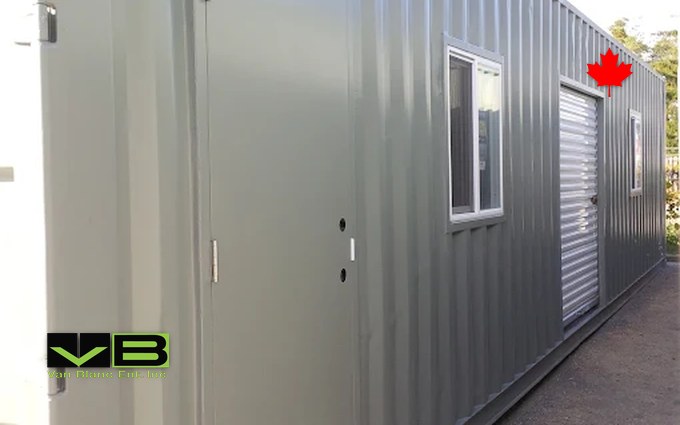
The container is that building, and it is where this yard earns its place on a livestock page. A 20-foot steel box on a gravel pad beside the shelter, or between the paddocks, holds the season’s feed on pallets off the floor, the mineral and the milk replacer on shelving, a fridge for the medicine on a single circuit, the vet kit and the fencing tools in a cabinet, and the tack on a rail, and it locks with four bars and a lock box against the raccoon, the goat and the person with a truck. Nothing gets in that you do not let in: the doors seal on gaskets, the walls are steel, and a mouse has no way through a corten wall. The whole-farm container guide lays out the whole box, the tack room and hay page is the fitted-out version, and the container shelving options is what goes on the walls.
What a container is not is a livestock shelter, and we would rather say so here than on the phone. A sealed steel box is the closed barn taken to its conclusion: no ventilation, a floor that holds wet, walls that sweat on a thaw morning, and ammonia with nowhere to go, which is the fourth enemy built in. The exceptions are real and narrow. A container with its cargo doors removed or held open, a man door at the far end, and vents cut high in both long walls is an open-front shed 8 feet wide, and it works as a calf or goat loafing shelter at the numbers above, with the open end turned away from the wind and a bedded floor over the plywood; the ventilation guide covers the vent sizing, and the shop that cuts the openings cuts the openings. An open-side container, with doors along the long wall, does the same job wider. And a reefer with the machinery off is the overwintering room a beekeeper uses and the milk-house cooler a small dairy asks about. For a cow herd or a horse, the container is the lockup beside the shelter and never the shelter.
For the farm that describes, the box is the one line we can speak to from the yard. A feed and medicine lockup starts from a used wind-and-watertight 20-foot dry container as a lockup from the used rows behind the office at 90 Morton Avenue East, picked by number before any money moves; the loafing-shelter conversion starts from a one-trip unit, because every cut assumes a square box. Rural delivery access covers what the truck needs on a farm lane, and every unit lands anywhere in the delivery area, Wellington and Haldimand included, in one to three days with payment on delivery. Everything is sold outright; Van Blanc keeps no rental fleet.
Christian LeBlanc, Van Blanc: “The farm calls are never about housing the animals in the box, and if someone asks I tell them no, it’s a sealed can and they’ll be breathing ammonia by January. What they buy is the box beside the run-in: feed on pallets, the fridge for the vaccines, the tools, all locked, and the goats can’t get at the grain. That box pays for itself the first time a raccoon doesn’t get the feed.”
Who Should Build What
Build the run-in, three sides and a roof, open to the south or east, on the high ground, deep enough to get out of the weather, with the floor drained before it is bedded, for goats, sheep and the cow herd that wants a roof. Build the windbreak and the bedded pack for the beef herd that does not. Buy or build the hutches for the calves and put them where the ground drains rather than where there is room. Build the duck house low, vented, hardware-clothed and latched, with the water outside. And put the feed, the mineral, the medicine and the tools in a locked steel box beside it, on the same gravel pad, from the first season rather than the third. The alternatives-to-a-container hub is the wider read for anyone still deciding what buildings a small farm needs at all, and the container grade ladder explained explains why wind-and-watertight is the right grade for a feed lockup.
Feed in the truck and vaccines in the kitchen fridge? Price the lockup once
Tell us how many head, what has to lock, and your postal code, and we will send an all-in number for the container delivered and set on your pad, usually the same day. Or walk the Brantford yard with a farm list and see the units the farms buy.
The two pages that finish this one are the coop guide for the flock next door, for the flock that shares the yard with the ducks, and the co-op bulk container page, for the feed side at a scale past one farm.
Livestock Shelter FAQs
What is the best type of house for ducks?
A low house at ground level or with a short ramp, about 4 square feet of floor per duck and 3 feet high, vented hard at the top so the moisture ducks carry in can escape, bedded deep with straw, with half-inch hardware cloth over every opening and a latch a raccoon cannot work. Keep the water outside the house, and give the birds 10 to 20 square feet each in a fenced run.
How high off the ground should a duck house be?
Not high at all. Ducks climb badly, so the house should sit on the ground or on a short base with a low, wide ramp with traction strips. Raising it a few inches on skids or blocks keeps the floor dry and lets you see under it, which is the real reason to lift it; a chicken-coop ladder is a broken leg for a duck. Put it on the high, drained end of the yard rather than by the pond.
What type of shelter is best for goats in winter?
A three-sided shed with the open side facing south or east, away from Ontario’s west and northwest winter wind, with half the open front boarded up from November to April to cut the draft while keeping the ventilation. Six inches of dry bedding on a drained floor, 12 to 15 square feet per doe if they have a yard and 25 if they are shut in through storms, and a second small nook so the smallest goat is not driven off the bedding.
How can I build an inexpensive shelter for goats?
A three-sided pallet or plywood shed with a sloped metal roof, on the high ground, open away from the wind, is the cheapest shelter that works, and pallets are the usual walls. Spend the money on the floor and the fence instead: four to six inches of drained gravel or sand under deep bedding, and 48-inch woven wire or panels, because a cheap shelter on wet ground with a low fence is the expensive one by spring.
How far apart should calf hutches be?
One to two feet between hutches in a row and eight to ten feet between rows, so air moves and the calves do not share it, with each hutch 4 by 7 to 5 by 8 feet for one calf. Set them on a drained gravel or sand base with the openings turned away from the prevailing wind, bedded deep with dry straw, on ground that does not collect the barn’s runoff.
How much space does a cow need in a winter shelter?
About 40 to 50 square feet per head on a bedded pack behind a windbreak or under an open-front shed, with roughly two kilograms of bedding per head per day through the winter. Cows need shelter from wind more than from snow, so a porous windbreak fence perpendicular to the west wind, about a foot of fence per cow, protects the herd for eight to ten times its height downwind without a building at all.
Can a shipping container be used as a livestock shelter?
Not as it comes. A sealed steel box has no ventilation, holds wet, sweats on a thaw and traps ammonia, which is the closed-barn problem in its worst form. With the cargo doors removed or held open, vents cut high in both walls and the open end turned from the wind, it works as an 8-foot-wide loafing shelter for calves or goats on a bedded floor. Its real job on a small farm is the locked, rodent-proof feed and medicine room beside the shelter.
Sources
- Cornell University College of Agriculture and Life Sciences. (2026). Goat Facilities. cals.cornell.edu
- The Cape Coop. (2026). How to Make a Duck House. thecapecoop.com
- Penn State Extension. (2026). Beef Cattle Spacing Requirements. extension.psu.edu
- Canadian Cattlemen. (2026). Facilities for Ontario Beef Cattle. canadiancattlemen.ca
- South Dakota State University Extension. (2026). Guidelines for Livestock Windbreaks. extension.sdstate.edu
- Ontario Ministry of Agriculture, Food and Agribusiness. (2026). Housing Requirements for Backgrounding Beef Cattle. ontario.ca
- Alberta Goat Association. (2026). Shelter. albertagoats.com
Reach Van Blanc in Brantford
We have been supplying shipping containers across Ontario since 1995. Our yard is at 90 Morton Avenue East in Brantford, and we deliver right across the province with payment on the day of delivery. No deposit, no upfront wires, no chase-the-paperwork.
Van Blanc Ent. Inc., 90 Morton Ave E Unit 1B, Brantford, ON N3R 7J7, 519-754-6844 (cell) or 1-888-509-6658 (toll-free).
If the feed and medicine room your farm has been improvising turned into a steel box somewhere in this page, call with the head count and your postal code and we will tell you on the spot what is in stock and when it can land on the pad. Worth the drive for unbeatable quality, family customer service with 30 years of experience.