
Quick Answer: Arrow is the box-store steel shed, made since 1945, owned by ShelterLogic: a galvanized Classic line with a 12-year warranty, a Galvalume Elite at 15. The panels are thin, assembly is a weekend, and base, anchors and floor are extras. A container is the steel shed that arrives built, floor included.
In This Guide
- Where We Stand
- Who Arrow Is
- The Lines, Decoded
- Strengths First
- The Gauge: What .0088 Inches Means
- Assembly: The Reputation, Explained
- The Extras: Base, Anchors, Floor
- What an Ontario Winter Does to a Thin Steel Shed
- The Warranty, Read Closely
- Which Arrow for Which Yard
- The Steel That Arrives Built
- Arrow or Container: Matching the Building to the Load
- Arrow Sheds FAQs
Reading Time: 13 minutes
Where We Stand
This review is written by a shipping container yard in Brantford, Ontario. We are not affiliated with Arrow or its parent, ShelterLogic Group, we receive nothing from them or from the retailers that stock them, and we sell the steel box that competes with the largest Arrow sheds for the same corner of the yard, which makes us an interested party and says so. Everything about the company and its sheds below comes from the Arrow pages on shelterlogic.com, the Home Depot and Canadian retailer listings, and the assembly and warranty documents those listings carry, read on September 15, 2026. Where we describe a weakness, it is one the specifications or the warranty make plain or one that appears repeatedly in published customer reviews; we make no claims about how the company conducts itself. The Home Depot shed shelf, decoded covers where Arrow sits on that shelf; this page is Arrow alone.
Who Arrow Is
Arrow Storage Products has made steel sheds and carports since 1945, which makes it the oldest name on the shed shelf by decades, and it is now a brand of ShelterLogic Group, the Watertown, Connecticut company that also owns the ShelterLogic fabric garages, Sojag gazebos and Quik Shade canopies, with manufacturing in Breese, Illinois and Watertown. In Canada the sheds reach the buyer through Home Depot, Canadian Tire, Rona and Lowe’s, Walmart, Amazon and specialist dealers like Patio Concepts, almost always in a flat box on a pallet, and they are the sheds most Ontario households picture when they hear the words metal shed: the pale grey or taupe gable box behind the garage that has been there since the nineties. That longevity is the first thing to know, and the second is that the same company sells the fabric garage beside it, which the ShelterLogic review covers line by line.
The Lines, Decoded
| Line | Steel | Warranty | Sizes | Look | Honest use |
|---|---|---|---|---|---|
| Arrow Classic | Hot-dipped North American galvanized | 12-year limited | About 6×5 up to 14×14 and larger | Gable or gambrel, grey, taupe, charcoal | The standard backyard box for mower, bikes and tools |
| Arrow Elite | Galvalume, zinc-aluminum coated | 15-year limited | 8×6 up to about 10×12 | High gable, vented, anthracite or cool grey | The better-looking, better-coated version of the same shed |
| Arrow carports and canopies | Galvanized steel frame, steel or fabric roof | Varies | 10 by 15 to 10 by 29 | Open-sided | A car roof, no walls |
Both shed lines are the same object: interlocking steel wall and roof panels on a steel frame, a sliding or swinging double door, a gable roof, and a flat box of parts with every screw in it. The Elite’s coating and 15-year term are the real difference, and for an Ontario yard the Galvalume is worth the step up, because the coating is what the warranty is about. The Lifetime polyethylene review and the Keter resin review are the resin sheds at the same price point, and the choice between steel and resin is the choice between dents and sag.
Strengths First
The strengths are real. The price of entry is the lowest of any walled building on the shed shelf, and for the buyer who needs a dry, mouse-resistant box for the mower and the patio cushions that is the whole brief. Steel does not rot, warp, fade like resin or grow mould, and a galvanized or Galvalume panel that is kept dry at the base lasts the warranty and past it. The footprint is honest: an Arrow uses less of the yard for its interior than a wood shed with 2×4 walls, because the walls are a panel thick. The range is wide, with sizes from a 6×5 tool locker to a 14×14 that holds a riding mower and a workbench, and the lines are stocked everywhere with parts available for years, which matters when a door track bends. The Elite’s vents are a real improvement on the older Classic’s condensation, and the high gable gives headroom the old flat-topped Arrows never had. And 80 years of the same product means the instructions, the anchor kits and the replacement parts exist as a catalogue. The Canadian Tire shed shelf and the Rona and Lowe’s shed shelf cover what each store actually stocks in the line.
The Gauge: What .0088 Inches Means
The number that explains most Arrow reviews is the thickness of the wall panel: about .0088 of an inch on the standard sheds, with the door panels and frames heavier at .0141 to .019. That is thinner than a soup can. It is what makes the box light enough to ship flat and cheap enough to sell where it sells, and it is also why the panels dent under a mower handle, oil-can in the wind, and cut a hand during assembly, and why the corrugation and the interlocking edges are doing all the structural work. A container’s wall is corrugated 14-gauge corten, about .075 of an inch, roughly eight times the thickness, which is the whole difference between a shed panel and a wall. The gauge is not hidden and it is not a scandal; it is the product, and the buyer who knows it treats the shed as a light steel box for light things rather than a workshop. The sea can and shed wall comparison puts the two wall thicknesses beside each other with the rest of the comparison.
Assembly: The Reputation, Explained
Arrow’s assembly reputation is the most consistent theme in a decade of retailer reviews, and the listing itself confirms it: two or more people and five-plus hours for an 8×6 Elite, which owners routinely report as a full weekend for a 10×12 Classic, with several hundred small screws driven through thin panels that flex while you drive them. None of that is a defect. It is what a flat-packed steel shed is, and the assemblies that go wrong share the same causes: an unlevel base, so the frame racks and the panel holes stop lining up; panels forced rather than sequenced; the roof assembled without sealing the overlaps; and two people who did not read the manual to the end first. The assemblies that go well share a level base, a third pair of hands, a cordless driver with a clutch, and a dry, calm day, because a half-built Arrow in a wind is a kite. Read the manual before the first screw, build the base a week before the box arrives, and budget the weekend. How a container is delivered is the alternative to the weekend, and it takes an afternoon.
The Extras: Base, Anchors, Floor
Three things an Arrow shed needs that are not in the box, and all three are on the listing if you read it. A base: a level, drained surface, a gravel pad, patio stones or a slab, because the frame has no tolerance for a slope and the door is the first thing to tell you. Anchors: Arrow sells an anchor kit for concrete and an auger kit for soft ground, sold separately, and an unanchored steel shed in an Ontario wind moves, which the manual says and buyers learn. A floor: the shed has none, and the floor frame kit, also separate, is what a plywood floor screws to; without it the contents sit on the pad and the panel edges sit in the wet. Add the three to the shelf price before comparing it to anything, because a shed on a level pad with anchors and a floor is a different object from a shed in a box. The pad under either building is the base under either building, and the ties, blocks or gravel question is why the pad matters more than the anchors.
What an Ontario Winter Does to a Thin Steel Shed
Three things. Snow first: the gable sheds snow, but the manual says to clear it, and a wet March load on a 10×12 Classic roof bows the panels between the trusses; the high-gable Elite sheds better and the older flat-roofed Arrows are the ones that fold. Condensation second: a single steel skin at the outdoor temperature drips on a thaw morning onto whatever is inside, and the Elite’s vents help without curing it; the fix is a vent kit, a desiccant tub, and nothing stored on the floor that cannot take a drip. Rust third, at the base: galvanized steel lasts for decades dry and fails in years where the panel edge sits in slush against the pad, which is why the floor frame kit and a pad that drains are the winter upgrade rather than the paint. The sweating-roof fix on a container is the same physics on a thicker skin, and the desiccant guide is the tub.
The Warranty, Read Closely
Twelve years limited on the Classic, fifteen on the Elite, and the word that matters is limited. The warranties cover the steel against rust-through and the parts against defects, prorated, on a registered shed assembled to the manual and anchored; they do not cover wind damage, snow collapse, dents, damage during assembly, or a shed on an unlevel base, which are the four ways an Arrow actually fails. That is standard for the category and it is not a trick, but a fifteen-year figure on the box reads as a promise about the shed and it is a promise about the coating. Register it the week it is bought, keep the receipt and the assembly photographs, and know that the claim is for a panel rather than for a weekend. Thirty years of container lifespan data is the comparable figure for a corten box, and it is about the whole object.
Which Arrow for Which Yard
A 6×5 or 8×6 Elite for a suburban side yard with a mower, the bikes and the garden tools, on patio stones, anchored, with the floor kit. A 10×8 or 10×12 Classic or Elite for a backyard with a riding mower or a snowblower and a push mower, on a gravel pad, with the auger kit, and the weekend booked. The 14×14 and larger Classics for a rural yard that wants the cheapest walled building for equipment and can level a pad that size; at that footprint the assembly is two weekends and the panels are the same thickness, which is where the comparison below starts. And the carports for what they are, a roof over a car, with the same anchoring rules as any fabric shelter. The shed sizes guide, once it is live this week, is where the sizes get sorted by what fits.
The Steel That Arrives Built
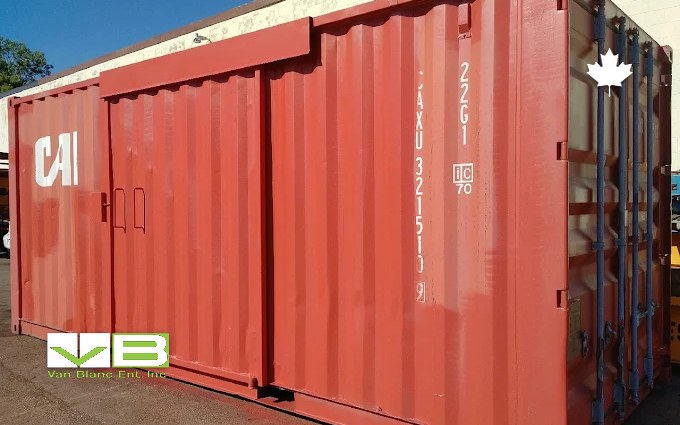
A shipping container is the other steel shed, and the two read best side by side. A used 20-foot container is 160 square feet, the footprint of a 10×16, with corrugated 14-gauge corten walls, a marine plywood floor over steel cross-members, a roof rated for six loaded containers stacked on it, and cargo doors that seal on gaskets and lock on four bars. It arrives on a tilt-deck and is set on a gravel pad in an afternoon, with no screws, no anchors, no floor kit and no weekend, and it needs no clearing in March. The Arrow range starts at a 6×5 tool locker, and a grey steel shed behind a suburban garage blends into the yard; the 10-foot container is the smallest box that arrives built, on an 8×10 footprint, and paint at the yard helps it sit in. What the container brings at every size is the wall that does not dent, the floor that is included, the door that locks, the roof that carries the snow, and a resale value after ten years that a shed does not have. The container-as-shed crossover page and the container as a shed are the two pages that work through that crossover in full.
For the buyer whose Arrow turned into a box, the unit is the one line we can speak to from the yard. A used wind-and-watertight 20-foot dry container, blocks under the corners, from the used rows at the Brantford yard at 90 Morton Avenue East is the 10×12-and-up replacement, picked by number before any money moves; the 10-foot dry container is the 8×10-footprint box for a small lot that wants steel that arrives built; and every unit lands anywhere in the delivery area from Windsor to Ottawa in one to three days with payment on delivery. The grade decoder explains why wind-and-watertight is the right grade for a shed’s replacement. Everything is sold outright; Van Blanc keeps no rental fleet.
Christian LeBlanc, Van Blanc: “I’ve got an Arrow behind my own place for the mower, and it’s fine for that. What I tell people is to look at the panel. It’s a soup can, it needs a level base and anchors, and it’s a weekend to build. At a ten-by-twelve with a rider going in, a used twenty on blocks is the better building and it’s there Thursday.”
Arrow or Container: Matching the Building to the Load
An Arrow Elite is built for light contents in a small suburban yard, and it asks for a level pad, anchors, the floor kit, the manual read and the weekend booked; on a base that drains it lasts its warranty and past it. The Classic does the same job at a lower shelf price in sizes up to 10×12, and a resin shed trades the dents for a floor that can sag. A used container covers the same corner with none of those extras to buy, and it is the building for anything that has to lock, carry the snow without clearing, hold a rider or a workshop, or still be worth something in a decade. The what-goes-in-the-corner hub is the wider read for anyone still deciding what kind of building the corner of the yard needs at all.
Rider going in, or a lock that matters? Price the box once
Tell us the biggest thing going in, the grade you have in mind and your postal code, and we will send an all-in number for a used 20-foot container delivered and set on your pad, usually the same day. Or walk the Brantford yards Monday to Friday and put a hand on the wall.
The two pages that finish this one are the seasonal sorting guide, for sorting what goes in a thin steel box and what does not, and the four-bar-and-lock-box page, for the buyer whose whole reason for leaving the shed is the lock.
Arrow Sheds FAQs
Are Arrow sheds any good?
For light contents in a small yard, yes: Arrow has made steel sheds since 1945, the panels are galvanized or Galvalume steel that does not rot or grow mould, parts are stocked for years, and the Elite line carries a 15-year limited warranty. The panels are thin, about .0088 of an inch on the walls, so they dent and need a level, anchored base, and assembly is a long weekend. For a riding mower, a workshop or anything that must lock, look at steel that arrives built.
How long does it take to assemble an Arrow shed?
The listings say two or more people and five-plus hours for an 8×6 Elite, and owners routinely report a full weekend for a 10×12 Classic, with several hundred screws through panels that flex. The builds that go well have a level base built a week earlier, a third pair of hands, a cordless driver with a clutch, a calm dry day and a manual read to the end before the first screw.
What is the difference between Arrow Classic and Arrow Elite?
The steel and the warranty. Classic is hot-dipped North American galvanized steel with a 12-year limited warranty, in gable and gambrel shapes up to 14×14 and larger; Elite is Galvalume, a zinc-aluminum coating, with a 15-year limited warranty, a high gable, vents and anthracite or cool grey panels, in sizes from 8×6 to about 10×12. For an Ontario yard the Elite’s coating is worth the step up.
Does an Arrow shed need a floor and a base?
Yes to both, and neither is in the box. The shed needs a level, drained base, patio stones, a gravel pad or a slab, because the frame racks on a slope and the door stops closing; the floor frame kit, sold separately, is what a plywood floor screws to, and without it the contents sit on the pad and the panel edges sit in the wet. Anchor kits for concrete or soft ground are also separate and are required by the manual.
Will an Arrow shed hold up under snow in Ontario?
The gable sheds snow and the manual says to clear it; a wet March load left on a 10×12 Classic roof bows the panels between the trusses, and the older flat-roofed models fold. The high-gable Elite sheds better. Snow collapse, like wind damage, is outside the limited warranty, so a shed in the snowbelt is a shed that gets cleared or a shed replaced by something rated for the load.
What is the Arrow shed warranty?
Twelve years limited on the Classic and fifteen on the Elite, covering the steel against rust-through and parts against defects, prorated, on a registered shed assembled to the manual and anchored. Wind, snow collapse, dents, assembly damage and an unlevel base are excluded, which are the usual ways a thin steel shed fails. Register it the week of purchase and keep the receipt and photographs.
Is a shipping container better than an Arrow shed?
Yes, and most clearly from about 10×12 up: a used 20-foot container has walls eight times as thick, a floor and a lockable door included, a roof that carries any Ontario snow, arrives built and set in an afternoon, and holds its value. In a small suburban yard with light contents, the Arrow’s shelf price is lower, but the pad, anchors and floor kit come on top of it, and a 10-foot container covers an 8×10 footprint with the floor and the lock already built in, set on blocks with no anchors.
Sources
- ShelterLogic Group. (2026). Arrow Classic Steel Storage Shed. shelterlogic.com
- ShelterLogic Group. (2026). Arrow Elite Steel Storage Shed. shelterlogic.com
- ShelterLogic Group. (2026). Arrow Storage Sheds: Shop by Brand. shelterlogic.com
- The Home Depot. (2026). Arrow Elite 8 ft. W x 6 ft. D Anthracite Gray Premium Vented Corrosion Resistant Steel Storage Shed. homedepot.com
- Patio Concepts. (2026). Classic Arrow Shed: Lawn and Garden Metal Sheds. patioconcepts.ca
- Van Blanc Ent. Inc. (2026). Sea Can vs Storage Shed. vbinc.ca
Reach Van Blanc in Brantford
We have been supplying shipping containers across Ontario since 1995. Our yard is at 90 Morton Avenue East in Brantford, and we deliver right across the province with payment on the day of delivery. No deposit, no upfront wires, no chase-the-paperwork.
Van Blanc Ent. Inc., 90 Morton Ave E Unit 1B, Brantford, ON N3R 7J7, 519-754-6844 (cell) or 1-888-509-6658 (toll-free).
If the steel shed you were pricing turned into steel that arrives built somewhere in this page, call with the biggest thing going in and your postal code and we will tell you on the spot what is in stock and when it can land. Worth the drive for unbeatable quality, family customer service with 30 years of experience.