
Quick Answer: Keter is the resin shed benchmark: polypropylene panels, steel-reinforced premium lines, molded floors included, and warranties running from two years to lifetime limited by model. It genuinely never rots, rusts, or needs paint. Its real trade-offs are assembly tolerance, wall flex, and anchoring, all manageable with a proper level base.
In This Review
Reading Time: 13 minutes
Where We Stand (Read This First)
This review is written by a shipping container supplier. We are not affiliated with Keter, we receive nothing from them or from any retailer that sells them, and we sell a competing way to store things outdoors. You should know that before you weigh a word of what follows, and it cuts both ways: we have no reason to flatter Keter, and no honest room to strawman a product line that stands in millions of yards. Every factual claim below was checked against Keter’s own published material the day this was written, and the criticisms are limited to documented, physical trade-offs of the product category, because that is the only kind of criticism worth your reading time.
What Keter Actually Is
Keter is the company that made plastic sheds respectable. It has been moulding resin products for roughly three quarters of a century by its own account, most of its sheds are manufactured in Israel with some production in the United Kingdom, and its polypropylene storage buildings are stocked by effectively every big-box retailer in Canada. When someone says resin shed in a Canadian backyard conversation, the odds are they are pointing at a Keter.
The core material proposition is simple and real: panels moulded from weather-resistant polypropylene resin, frequently over steel reinforcement on the larger models, with wood-texture finishes moulded in rather than painted on. Keter’s own line is that the material lasts years without warping, rusting, fading, or peeling, and the honest response from a company that sells steel is: mostly, yes. Resin does not rot, cannot rust, and never needs a stain weekend. Those are genuine advantages, and any review that pretends otherwise is selling you something. The shed most often mistaken for a Keter, the vinyl-panelled Duramax over a steel frame, is a different construction, and the Duramax review says how.
Every Keter shed ships with a moulded floor panel in the kit, which matters more than it sounds: the floor is the part missing from many cheap wood kits, and it arrives with anchor notches moulded in, a detail we will come back to when the wind section arrives. The wood kit that also ships its floor is Cedarshed, and the Cedarshed review is the cedar-side reading of the same question.
Christian LeBlanc, Van Blanc: “We deliver into subdivisions where every third yard has a Keter beside the fence, and I mean that as the compliment it is. For patio cushions, the mower, and the bikes, the product does its job. The calls we get start when somebody tries to make one hold what a garage should hold. That is not the shed failing. That is the wrong tool getting blamed for the assignment.”
The Lineup, Decoded
Keter’s model names are many, so here is the practical sorting a Canadian shopper actually needs. Names and tiers shift by retailer and season, so treat this as a map rather than a catalogue. If you’re shopping the warehouse club specifically, what Costco Canada stocks beside Keter is covered separately.
| Tier | Typical lines | What you are buying |
|---|---|---|
| Compact and utility | Store-It-Out, Manor, Darwin | Bin stores and small sheds, roughly 4×3 up to 4×6 and 6×8; single-purpose storage for cushions, tools, and bins |
| Mid-size garden | Factor, Newton, Cortina | The family workhorses, commonly 7 to 11 feet; double-wall panels, more headroom, real shelving potential |
| Premium | Premier, Signature, Artisan, Stronghold | The heaviest walls, steel-reinforced roofs, the best wood-look finishes, and the top of the warranty range |
Two threads run through the whole range and decide most of the buying outcome. The first is the warranty ladder: Keter’s coverage runs from a minimum of two years on entry products to lifetime limited on premium lines, and the length tracks the panel and roof engineering closely enough that the warranty is a decent shorthand for the build tier. Keep the receipt, because their terms require it. The second is the roof: the premium lines advertise reinforced roofs with published snow ratings in the range of roughly 150 to 200 kilograms per square metre, while the entry tier does not, and in this country that difference is the whole conversation, as the winter section below spells out. The heavier resin competitor is reviewed the same way in the Lifetime review, and the simpler one in the Rubbermaid review.
What a Keter Shed Is Genuinely Good At
Strengths first, and these are real, observed, and confirmed by Canadian hands-on reviewers who lived with the product through actual weather.
The Honest Strengths
Zero-maintenance skin. The claim holds. No staining schedule, no rust bloom, no peeling paint, and a hose-down is the whole annual maintenance plan. (Steel’s version of that schedule is barely longer; the container maintenance hub is a five-minute read.) Against the wood shed’s standing yearly appointment, this is the category’s killer feature.
Fast, tool-light assembly. A mid-size Keter goes from boxes to building in a day for two ordinary people. No cutting, no shingling, no framing skills. Canadian reviewers who tested the Artisan line found the panels interlock cleanly when, and this qualifier matters, the base underneath is genuinely level.
Weather sealing that works. Independent Canadian testing through storm conditions reported dry interiors. The moulded floor means no ground contact wicking, which quietly removes the failure mode that kills cheap wood sheds from below.
It looks fine beside a house. The moulded wood-texture finishes on the premium lines are the best in the plastic category, and in a fenced suburban yard a neutral-toned Keter disappears politely. Bare steel takes a little more help to blend in, and a container can be painted at the yard before it ships.
The Documented Trade-Offs
Every material buys its advantages with something. Resin’s ledger is short but real, and none of it is scandal; it is physics, documented across owner experiences and the company’s own instructions.
The Four Trade-Offs to Price In
- The base is not optional. Keter’s own guidance says solid, level ground, and the assembly experience depends on it completely. Resin panels have tight tolerances and no give; a base that is out of level makes panels fight their channels, and most documented assembly frustration traces straight back to this. Budget the gravel pad or patio stones as part of the shed price.
- Walls flex, and hanging is a system decision. Resin panels are not framing lumber. Heavy items hang from the moulded rail and bracket systems the sheds are designed around, not from any screw driven anywhere, and shelf loads top out well below what a framed wall takes. Owners who treat the walls like studs generate the category’s cracked-panel stories.
- Anchoring is the wind plan. A resin building is light for its size, which is lovely on assembly day and a liability in a gust front. The anchor notches are moulded into the floor because Keter expects you to use them. This is the same sermon we preached about carports, translated into plastic.
- The roof tier decides the winter. Entry-level models without reinforced roofs are engineered for milder duty, and unshovelled Canadian snow loads are exactly the case their warranty terms exclude. The premium reinforced roofs carry real published numbers; the entry tier relies on the owner to clear the snow.
The Ontario Winter Question
Because this is the question our climate actually asks, it deserves its own answer rather than a bullet.
A premium-tier Keter with a steel-reinforced roof, rated in that 150-to-200-kilograms-per-square-metre band, is honestly specified for Ontario snow, and that rating comfortably covers what most Southern Ontario winters stack on a small roof between thaws. Snow-belt districts and lake-effect country push harder, and there the same rule applies to a resin roof as to a fabric carport: after a major dump, knock it off. The entry tier is a different conversation. A flat-roofed bin store or bargain shed carries no such rating, and treating it as load-bearing through a February is how the category earns its cracked-roof photos. Cold itself is not the enemy; polypropylene handles Canadian temperature swings fine, though the panels do get less forgiving of impacts in deep cold, so January is not the month to be slamming doors or leaning lumber against the wall.
Match the tier to the district and the Keter winters fine. Mismatch it and the product gets blamed for the buying decision.
Living With One: The Long-Term Notes
The buying decision gets all the ink, so here is the part the spec sheets skip: what years two through ten actually look like, gathered from Canadian owners who have lived with the product through full seasons rather than a review weekend.
The skin keeps its promise. The moulded finishes hold their look without the repainting cycle that defines wood ownership, and the fade resistance on the current generation of resin is genuinely good, though a decade of full southern sun will soften any plastic’s colour by a shade. If the shed has a choice of orientation, giving the most-seen face the gentler exposure is a free upgrade nobody thinks of on delivery day. (Sun strategy matters to coated steel too, as our paint and cladding notes admit.)
Doors are the moving part, so doors are where attention goes. Resin buildings move a little with temperature, and a door that aligned perfectly in June can rub in January; the adjustment is minutes with the hinge hardware, not a defect, but owners who know to expect it stay calm and owners who do not write reviews. The same seasonal logic says latch and lock mechanisms appreciate a shot of silicone before freeze-up, exactly like a container’s door gear, and that ten-second habit is the difference between a January door that opens and a January door that argues.
And the floor earns its keep quietly. Because the moulded pan keeps contents off the ground, the classic bottom-up failure of budget wood sheds simply never starts, and the interior stays as dry as the roof keeps it. Owners who add a rubber mat at the threshold, where boots and the mower track in grit, report the floor surface staying presentable indefinitely. An hour of care a year, most of it in October, is the honest total ownership cost, and against the wood shed’s standing annual appointment that remains the category’s strongest argument for itself.
Keter Shed Buyers: The Garden-Scale Yard
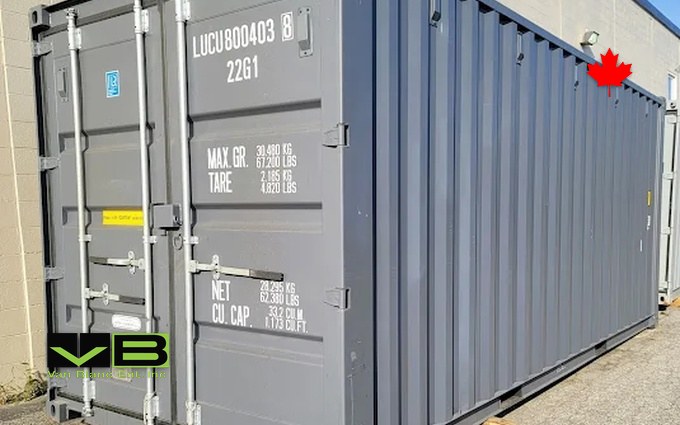
The garden-scale suburban yard is the home game: cushions, tools, the mower, bikes, and bins, beside a fence, close to the house, where looks matter and nothing stored would tempt anyone over the fence. (When the seasonal half of that list outgrows the shed, the seasonal storage playbook picks up.) The zero-maintenance buyer gets exactly what the label promises. The renter or the might-move household benefits from a building that disassembles back into panels. And the buyer with a weekend, a level pad, and no interest in ever owning a paintbrush is the person the entire category was designed for. A container gives that same yard a building with no panels to assemble: it lands finished in 1 to 3 days, locks behind steel, needs no paintbrush either, and keeps its resale value if the household moves. The bins themselves have a separate enclosure question, sized to the municipal cart rather than the can, in the garbage can shed guide.
Who Should Keep Shopping
The fork arrives on three conditions, and they are the same three that ended the wood-shed conversation in our earlier guide.
When contents acquire theft value, resin’s polite lockable door is a courtesy, not a control; the walls that assemble with hand tools disassemble the same way. That asymmetry is the entire point of purpose-built lock hardware on steel. When the job outgrows garden scale, toward a contractor’s tools, a business’s stock, machinery, or anything measured in skids, panel buildings of every material tap out together. (Contractors weigh this exact fork in our job box versus container piece.) And when the building must survive being ignored, on a rural property, a job site, or land you visit monthly, the maintenance-free promise matters less than the walk-away security a sealed steel box provides. That comparison is laid out honestly in our container-versus-shed piece, and the wood-side version of this same review logic lives in our wood shed guide.
Sizing Up the Steel Fork?
If your storage list just outgrew the garden tier, tell us what has to stay locked and dry, and where it is going. The number that comes back is honest and all-in, with a real lead time, not a hopeful one. Delivery runs 1-3 days across Ontario from our Brantford yards.
Van Blanc Ent. Inc. · Family-run since 1995 · 4.9 stars across 140+ Google reviews · Every quote comes with a real lead time
The Verdict
Keter earns its market position. Within its category, resin garden storage, it is the benchmark, and the premium lines are specified honestly for this climate, roofs included. The product’s failures in the wild are overwhelmingly assignment failures: bargain tiers asked to do premium-tier winters, garden buildings asked to do garage jobs, and level-base instructions treated as suggestions. Matched to its district, built on a proper base, anchored and hung the way the design intends, a Keter delivers what it promises: dry, maintenance-free garden storage that looks tidy doing it.
And when your storage life outgrows what any panel building can carry, that is not Keter failing you either. That is the moment the conversation changes materials, and you know where to find the steel.
A shipping container answers the same storage list in steel: one box, delivered and set in 1 to 3 days, no assembly, purpose-built lock hardware, and a resale value that outlasts the garden tier. It holds the bikes and the mower today and the tools and the stock later.
Keter Shed FAQs
Are Keter sheds good in Canadian winters?
The premium lines with steel-reinforced roofs carry published snow ratings around 150 to 200 kilograms per square metre and are honestly specified for most of Southern Ontario. Entry-tier and flat-roofed models carry no such rating and need snow cleared after major falls, especially in lake-effect districts.
What warranty do Keter sheds have?
Keter’s published coverage runs from a minimum of two years on entry products to lifetime limited warranties on premium lines, with the length tracking the build tier closely. Coverage starts at purchase and their terms require the original receipt, so file it the day the boxes arrive.
Do Keter sheds need a foundation?
They need solid, level ground, per Keter’s own guidance, and the assembly experience depends on it more than any other factor. A compacted gravel pad or patio stones is the practical minimum. The moulded floor is included, and its anchor notches should actually be used, since a light resin building needs anchoring against wind.
Can you hang shelves and tools on Keter shed walls?
Yes, through the rail and bracket systems the sheds are designed around, within their stated load limits. Resin panels are not framing lumber, so screws driven arbitrarily into walls, or shelf loads borrowed from garage expectations, are how the category’s cracked-panel stories get written.
Is a Keter shed or a shipping container better?
Different assignments. Keter’s strengths are looks, zero maintenance, fast assembly, and a small footprint beside a house. A container brings steel walls, purpose-built lock hardware and walk-away security for contents with theft value, business stock or a property you visit monthly, and it arrives finished on a tilt-deck. Plenty of properties graduate from one to the other as the storage list grows.
Sources
- Keter Canada. (2026). 15 Most Asked Questions About Our Sheds. the manufacturer’s own FAQ
- Keter Canada. (2026). Outdoor Storage Sheds Catalogue. the Canadian shed catalogue
- Ferns and Feathers. (2025). Keter Artisan Shed Review: 5 Tips to Getting the Best Shed. a Canadian gardener’s long-term review
- Mountain Life Media. (2025). Tested: Keter Artisan Storage Shed. the Canadian field test
Reach Van Blanc in Brantford
We have been supplying shipping containers across Ontario since 1995, and the fastest way to know which side of the garden-tier line your storage list sits on is to describe it to someone who has heard thousands of them.
Van Blanc Ent. Inc., 90 Morton Ave E Unit 1B, Brantford, ON N3R 7J7, 519-754-6844
Bring the list, and we will size the steel for it.