
Quick Answer: Canadian whisky must age at least three years in small wood, so a startup distillery needs stable storage for years. An insulated container holds a steady ~13 C at 60-75% humidity, taming the angel’s share a swinging shed worsens. The excise and AGCO licences stay yours. Delivered across Ontario in 1-3 days.
In This Guide
Reading Time: 10 minutes
The Three-Year Problem Every Distillery Starts With
A new distillery has a cash-flow shape unlike almost any other food business: it must make a product, then legally wait years before it can sell it as what it is. Under Canada’s Food and Drug Regulations, a spirit cannot be called whisky until it has aged at least three years in small wood, distilled and matured in Canada, at not less than 40 percent alcohol by volume. That is not a marketing choice, it is the legal floor, and it means a startup needs somewhere stable to hold maturing inventory for three-plus years before the first bottle earns revenue.
Weighing that wait against a built rickhouse is exactly the comparison our alternatives hub sets out.
Traditional rickhouses solve this at scale with big, uncontrolled warehouses that deliberately swing with the seasons. That works for a bourbon giant chasing aggressive extraction across thousands of barrels. For a small Canadian distillery or cidery holding a few dozen casks through the mandatory wait, an uncontrolled space is a liability, because every degree and every percent of humidity is money leaving the barrel.
Why Stability Beats a Swinging Shed
Here is the part small producers learn the expensive way. A cask in an uninsulated shed bakes in July and freezes in January, and those swings do two costly things. They accelerate the angel’s share, the evaporation loss, and they shift the ratio of water to alcohol lost. In dry conditions you lose disproportionate volume and the proof runs away from you. Typical evaporation runs around 2 to 4 percent of barrel volume per year, climbing toward 5 percent when a space runs too dry and too swingy.

An insulated container flips that. The value here is not deep cold, it is thermal stability: a steady temperature held year-round so the barrels are not pumped by seasonal extremes and the evaporation loss stays predictable and low. For a producer whose entire inventory is capital locked up for three years, protecting the volume and the proof is protecting the balance sheet. This is the same insulated-envelope logic behind our cheese aging cave, pointed at casks instead of wheels.
Paul LeBlanc, owner: “A distiller told me once that his rented shed was drinking his profit a few percent a year, and he could not do anything about the weather. An insulated box is the one thing that gives a small producer control the big rickhouses do not even want.”
The Barrel-Room Numbers
| Factor | What it means for a small barrel room |
|---|---|
| Legal aging floor (whisky) | At least 3 years in small wood, 40% ABV minimum, aged in Canada |
| “Small wood” definition | A vessel not exceeding 700 litres, i.e. actual barrels and casks |
| Target temperature | Around 13 C (55 F), held stable rather than deep or cold |
| Target humidity | Roughly 60-75% RH; near 70% water and ethanol evaporate about equally |
| Angel’s share | About 2-4% of volume per year, up to ~5% when too dry |
None of these are exotic to hold; they are exactly what an insulated shell delivers and an uninsulated one cannot. Hold near 70 percent humidity and the water-to-alcohol loss balances instead of running against you, which over a three-year hold is the difference between a barrel that fills bottles and one that disappointed.
The Double Licence You Cannot Skip
Now the honest fork, and for alcohol it is a double one that we own no part of. Producing and storing spirits in Canada is federally and provincially licensed on two separate tracks. Federally, the Canada Revenue Agency requires an excise licence under the Excise Act, with security of not less than 5,000 dollars and up to 2 million; to hold non-duty-paid product under bond you also need a separate excise warehouse licence, because duty is deferred until packaged spirits leave that warehouse. Provincially, selling in Ontario needs the applicable AGCO manufacturer’s licence, distillery or winery, with municipal approvals on top.
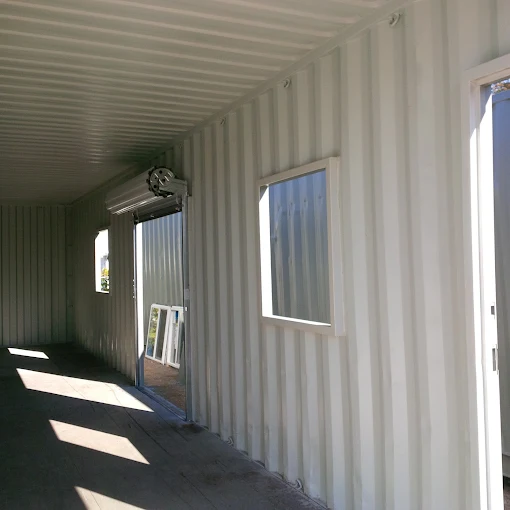
The critical thing to understand: we supply and deliver the insulated room, but a container is not automatically a bonded or excise warehouse. That designation attaches to your premises and your CRA application, and CRA has physical-security and record-keeping expectations for warehoused product. We provide the barrel room; you hold the licences and the bond, and CRA and AGCO decide what counts as a warehouse. Any supplier who implies otherwise is guessing with your excise standing.
Cider’s Own Path
Cideries get one break worth naming. Ontario’s winery licensing normally requires the production site to contain at least five acres of planted fruit, but cider made from apples or pears is exempt from that five-acre planting requirement. That lowers the barrier for a barrel-aging cidery considerably, though the municipal approvals and the applicable AGCO manufacturer’s licence still apply. The stable barrel room matters just as much for a barrel-aged cider or perry as for a whisky: the same evaporation and temperature physics governs the cask, and the same insulated shell protects it.
A Stable Barrel Room for the Long Wait
Tell us your cask count and your site. We will spec the insulated room, flag the vapour-safety and floor-loading details, and send an honest quote, while you handle the licences.
Two Honest Caveats: Vapour and Weight
Two engineering realities we raise with every barrel-room buyer, because glossing them would be dishonest. First, vapour: evaporating ethanol is flammable, so a sealed barrel room needs proper ventilation and attention to ignition sources and electrical safety. This is a real design consideration, not a formality, and it is one your electrician and your fire authority weigh in on. Second, weight: a full cask is heavy, and a room of them stacked on racks is a serious floor-loading and racking-engineering question. We will talk through both honestly and point you to the right trades, the same split we hold on every conversion build.
On the container itself, an insulated unit is the fit, not a reefer running cold and not a bare dry box that swings. Delivery to the site runs one to three days, which matters when the barrels are already filling., and if you are weighing a container against a built rickhouse or leased bonded space, the hub that compares a container to the alternatives frames it. Producers are welcome to walk an insulated build at the yard before committing.
Frequently Asked Questions
How long must whisky age in Canada?
At least three years in small wood, a vessel not exceeding 700 litres, distilled and matured in Canada, at not less than 40 percent alcohol by volume. That legal floor is why a distillery needs stable, secure storage for years before its first whisky can be sold.
What temperature and humidity should a barrel room hold?
A stable temperature around 13 C (55 F) and roughly 60-75 percent relative humidity. Near 70 percent, water and ethanol evaporate at about equal rates, which balances the angel’s share instead of losing disproportionate volume in dry, swinging conditions.
Can a shipping container be a bonded or excise warehouse?
Not automatically. We supply the insulated room, but bonded or excise-warehouse status attaches to your premises and your CRA application, with CRA’s physical-security and record-keeping expectations. The container can be the space; the warehouse designation, licences, and bond are yours to obtain.
Does a cidery need five acres of planted fruit in Ontario?
No. Ontario’s five-acre planting requirement for a winery licence exempts cider made from apples or pears, which lowers the barrier for a barrel-aging cidery. Municipal approvals and the applicable AGCO manufacturer’s licence still apply.
Is a container barrel room safe with alcohol vapour?
It can be, with proper design. Evaporating ethanol is flammable, so the room needs adequate ventilation and careful attention to ignition sources and electrical safety, worked out with your electrician and fire authority. Full casks also raise real floor-loading questions we flag before you build.
Sources
- Government of Canada. Food and Drug Regulations (C.R.C., c. 870), section B.02.020 Canadian Whisky. laws-lois.justice.gc.ca
- Canada Revenue Agency. Excise Duty Memorandum EDM3-1-1, Producers and Packagers of Spirits. canada.ca
- Canada Revenue Agency. Excise Duty Memorandum EDM8-1-1, Excise Warehouses. canada.ca
- Alcohol and Gaming Commission of Ontario. Apply for a manufacturer’s licence. agco.ca
- International Organization for Standardization. (2019). ISO 1496-2, Series 1 freight containers: thermal containers. iso.org
Reach Van Blanc in Brantford
We have supplied and converted insulated containers across Ontario since 1995. Bring your cask count, your site, and your plans, and we will talk through a stable barrel room and the honest engineering that comes with it.
Van Blanc Ent. Inc., 90 Morton Ave E Unit 1B, Brantford, ON N3R 7J7. +1 888-509-6658
Distillers and cideries can see how an insulated shell holds a setpoint before committing casks to it.