
Quick Answer: Dry-cured meat is a food-safety process, not just a flavour project: it needs a controlled temperature and a descending humidity curve, plus records. Selling it in Canada means a licensed, inspected meat operation. We supply the insulated chamber; the licence and HACCP plan are yours. Delivered across Ontario in 1-3 days.
In This Guide
Reading Time: 10 minutes
The Fork That Has to Come First
Before a single word about temperature, the honest line: dry-cured meat sold to the public in Canada is inspected-meat territory, full stop. The physics of a curing chamber is close to a cheese cave, cool, humid, gently ventilated, but the stakes are not. Getting a cheese wrong makes a bad wheel. Getting a fermented sausage wrong can make a pathogen. So the regulatory framework is strict, and it belongs to you and your inspector, not to the box we sell.
The cheese cave runs almost the same physics with a far friendlier margin for error.
Van Blanc supplies and delivers the insulated chamber and its climate control. We do not, and cannot, supply the meat-plant licence, the preventive-control or HACCP plan, the process validation, or the lab testing. A container is never CFIA-approved on its own; approval attaches to your premises and your plan. This page explains what a compliant chamber has to do so a serious producer can plan honestly, and points the food-safety questions where they belong.
Why Charcuterie Is a Safety Tightrope, Not a Hobby
The home-curing internet is full of wine-fridge chambers and fogger builds, and they are genuinely fun for a hobbyist making coppa for their own table. The moment product is for sale, the game changes completely. Dry-curing is the controlled reduction of two things on a schedule: pH down through fermentation, and water activity down through drying, while temperature and a falling humidity curve are held steady. Miss the schedule and the failure is not a flavour note, it is Staphylococcus aureus, E. coli O157:H7, Listeria, or Clostridium botulinum.

This is why a drifting basement or an undersized fridge is not just suboptimal, it is unsafe at commercial scale: it cannot hold the temperature, the humidity ramp, and the airflow at once while you keep the validation records an inspector expects. A right-sized, sealable, insulated room is the physical starting point for doing it properly.
The Numbers a Real Chamber Has to Hold
Canadian guidance from the BC Centre for Disease Control and CFIA sets out what the process actually requires, and these are the numbers that separate a compliant operation from a hopeful one.
| Stage | What the guidance specifies |
|---|---|
| Dry sausage fermentation | Usually 20-24 C, 48 hours up to 6 days, to reach pH 5.3 or lower |
| Semi-dry fermentation | Warmer, roughly 25-45 C, faster, still to pH 5.3 or lower |
| Degree-hour control (above 15.6 C) | 665 degree-hours if under 33 C; 555 at 33-37 C; 500 above 37 C |
| Drying-room humidity | Generally 60-90% RH; start near 95%, then hold about 5% below the product’s own moisture |
| Water activity | Dried to aw 0.90 or below is shelf-stable; 0.85 or below regardless of pH |
| Stabilizers and beef rule | Nitrite/nitrate min 100 ppm plus min 2.5% salt; beef products need a 5-log E. coli O157:H7 reduction |
Every one of those lines is a record an inspector will want to see, logged and validated. The chamber’s job is to make holding those conditions physically possible and repeatable; the record-keeping and validation are the producer’s.
Paul LeBlanc, owner: “We sell the room and we say the same thing every time: this is meat, so the food-safety side is yours and your inspector’s. We are honest about that line because the alternative is somebody assuming the box did a job it cannot do.”
Case Hardening and the Airflow Balance
The signature failure of dry-curing has a name, case hardening, and it is an airflow problem. Push too much air and the surface dries far faster than the centre, sealing into a shell that traps moisture inside so the core never finishes and eventually spoils. The BCCDC guidance flags case-hardening risk at around 65 percent RH when airflow runs too high. Move too little air and the opposite happens: wild mould takes the surface. The room has to run a fan for gentle, controllable circulation, sitting in the narrow band between those two failures, and it has to do it while the humidity curve descends over days.
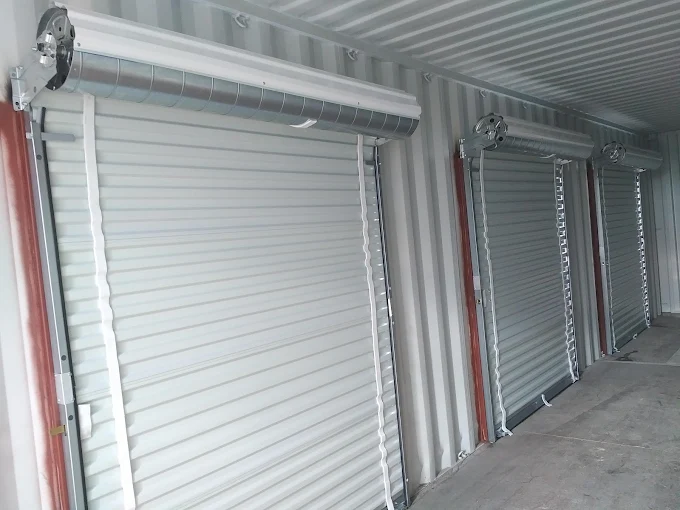
That balance is exactly why an insulated, sealed shell matters. You cannot tune gentle airflow and a descending humidity ramp in a space that swings with the weather or leaks air on every breeze. The stable envelope is the precondition for the control, the same lesson the cheese aging cave teaches with a friendlier safety margin.
Why a Room Beats a Converted Fridge
A converted refrigerator can hold one small batch, and that is its ceiling. A producer moving from hobby to sale hits three walls at once: a fridge is too small to run a real production batch, too crude to hold a programmed descending humidity curve, and too improvised to document to an inspector’s satisfaction. An insulated 20ft or 40ft container gives real hanging capacity, room for proper fermentation and drying zones, the sealed envelope that makes climate control repeatable, and the wipe-down surfaces a food operation needs. It is the difference between making salami and running a salumeria.
We fit the insulation and food-grade surfaces at our yard as a standard insulated conversion; the fermentation and drying climate control, the racking, and the monitoring are the producer’s fit-out, specified to their process and their inspector’s expectations.
The Chamber, Built Straight and Said Straight
Tell us your production scale and your postal code. We will spec the insulated chamber and its surfaces, and point the food-safety questions where they belong, in one honest same-day quote.
What We Supply and What Stays Yours
To be explicit, because meat is where honesty matters most. We supply and deliver the insulated container, the food-grade interior surfaces, and the sealed, stable envelope. The producer supplies the fermentation and drying climate equipment, the racking, and the monitoring, and the producer holds the regulatory side entirely: in Canada, meat products fall under the Safe Food for Canadians Act and Regulations, selling beyond the narrowest scope means provincial meat-plant licensing or federal CFIA registration, an approved preventive-control plan, and validated pH, water-activity, and degree-hour records. We provide the chamber; the food-safety plan, the licence, and the degree-hour records are yours and your inspector’s. We never imply the container itself is approved.
If you are comparing a container chamber to a built room or leased plant space, the hub that weighs a container against the alternatives frames it. The chamber ships within one to three days of the order, with a lead time you can plan a production schedule against., and serious producers are welcome to walk an insulated build at the yard before committing.
Frequently Asked Questions
What temperature and humidity does dry-cured meat need?
Fermentation typically runs 20-24 C for dry sausage to reach pH 5.3 or lower, then drying holds 60-90 percent RH on a descending curve, starting near 95 percent and staying about 5 percent below the product’s moisture. Stability across the whole ramp is what matters.
Do I need a licence to sell charcuterie in Ontario?
Yes. Dry-cured meat for sale is inspected-meat territory: selling beyond the narrowest scope requires provincial meat-plant licensing or federal CFIA registration, an approved preventive-control plan, and validated records. The container is the room; the licence and food-safety plan are the producer’s, with the inspector.
What is case hardening and how do I avoid it?
Case hardening is when too much airflow dries the surface into a shell that traps moisture inside, so the core never finishes and can spoil. Guidance flags the risk around 65 percent RH with high airflow. The fix is gentle, controllable circulation in a sealed, stable chamber.
Can a shipping container be a curing chamber?
An insulated container is a strong chamber shell: real hanging capacity, a sealed stable envelope for a repeatable humidity ramp, and wipe-down surfaces. It is the physical foundation. The climate equipment, monitoring, and the entire food-safety and licensing side are the producer’s responsibility.
Is a converted fridge good enough to sell dry-cured meat?
For a hobbyist’s own table, a fridge chamber is fine. For sale it usually is not: too small for a real batch, too crude for a programmed descending humidity curve, and too improvised to document. A room-scale insulated chamber is the step up to a licensable operation.
Sources
- BC Centre for Disease Control. (2024). Safety of Fermented Foods, Section 3.13 Sausage. bccdc.ca
- Canadian Food Inspection Agency. Preventive control recommendations for manufacturing fermented and dried meat products. inspection.canada.ca
- Health Canada / CFIA. Interim guidelines for the control of verotoxinogenic E. coli in ready-to-eat fermented sausages containing beef. canada.ca
- Province of Nova Scotia. Meat Processing Guidelines. novascotia.ca
- Association of Food and Drug Officials. (2004). Guidance for Processing Fermented and Dried Sausage. afdo.org
Reach Van Blanc in Brantford
We have supplied and converted insulated containers across Ontario since 1995. Bring your production scale and your process notes, and we will talk chamber, surfaces, and the honest line on what the box does and does not do.
Van Blanc Ent. Inc., 90 Morton Ave E Unit 1B, Brantford, ON N3R 7J7. +1 888-509-6658
Serious producers are better off walking a build here before taking anything to their inspector.